How Do I Know When a Tree On My Property Is a Safety Hazard?
A Homeowner's Guide to Recognizing and Managing Tree Safety Risks
Trees not only enhance the beauty of your property but also play a crucial role in the environment. However, they can become safety hazards if not properly maintained. This guide is designed to assist homeowners in quickly identifying potential tree safety issues and taking appropriate action to reduce risks, ensuring a safe outdoor environment.
Identifying Tree Safety Risks
Leaning or Tilting: A noticeable lean or tilt in a tree can indicate instability and the risk of falling. Trees that lean significantly, especially toward structures or high-traffic areas, should be inspected by a professional arborist.
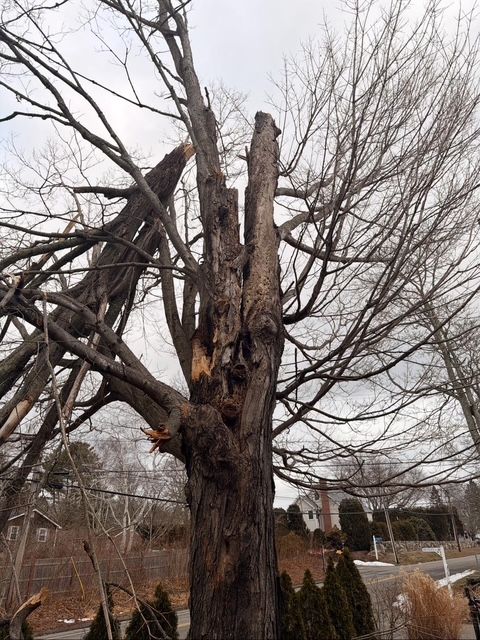
Cracks or Cavities: Inspect the trunk for visible cracks or cavities, as they can weaken the tree's structure and make it more prone to breaking or falling. If any damage is detected, it is best to have the tree evaluated by a professional to determine the most suitable course of action.
Dead or Hanging Branches: Dead or hanging branches are significant safety hazards, especially if they are large or located above frequently used areas. These branches can break off unexpectedly, causing damage or injury. Prompt removal of dead or hanging branches by a professional arborist is crucial.
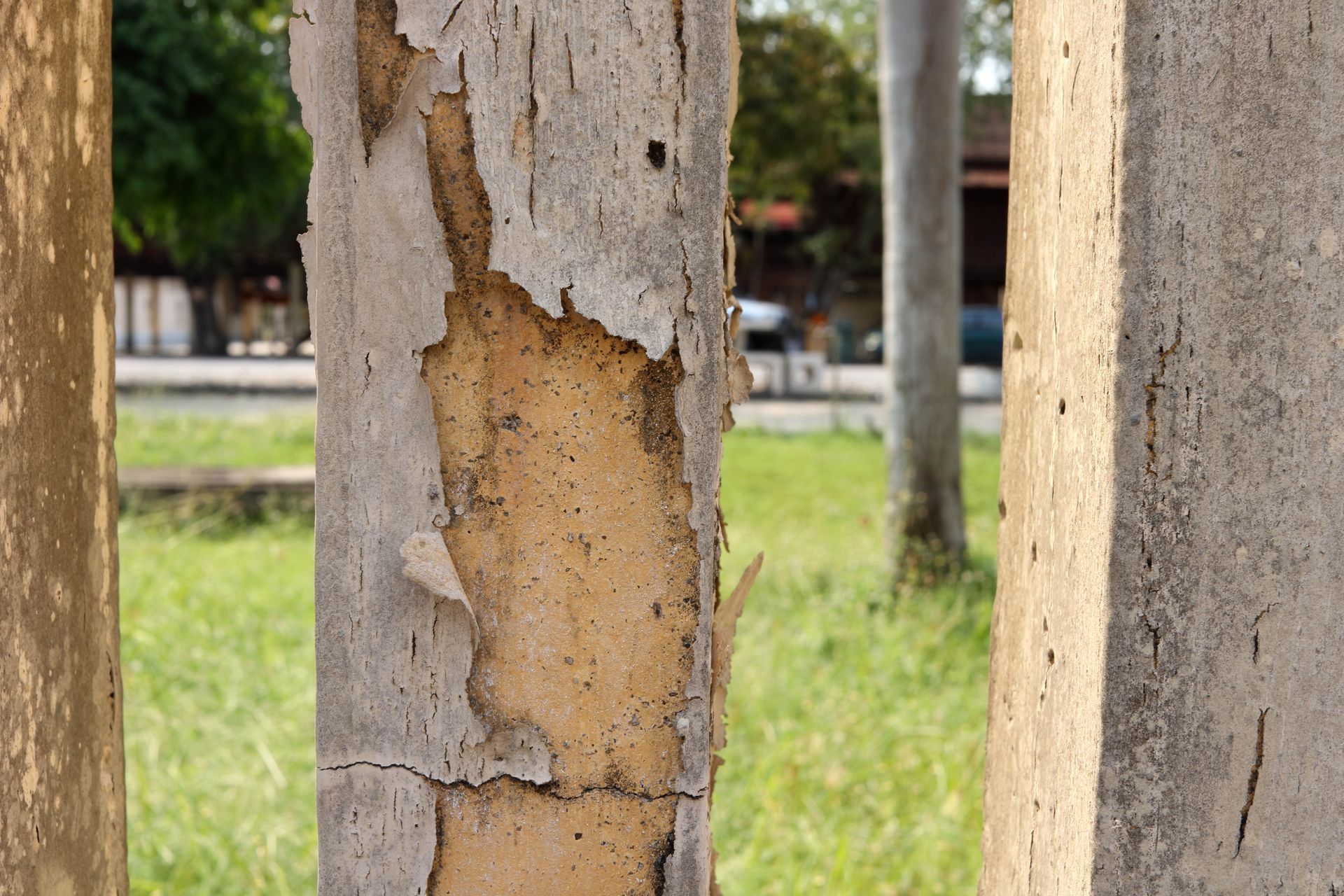
Decay and Fungus Growth: Decay and fungus growth on a tree can indicate internal rot, weakening the tree's structure and increasing the risk of falling. Soft or crumbly wood, mushrooms on the trunk or branches, or other signs of decay should prompt an evaluation by a professional arborist.
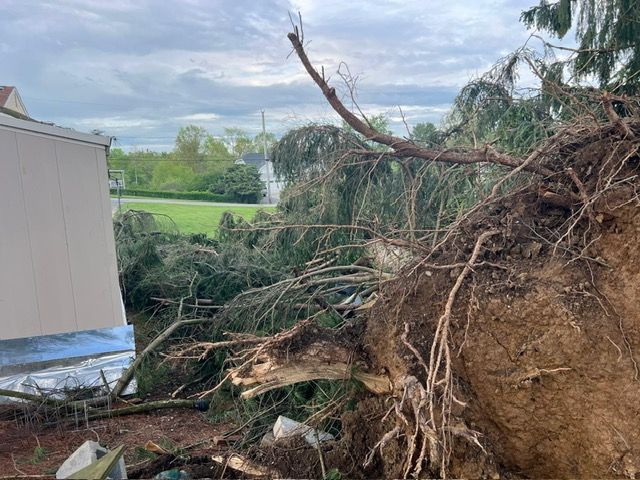
Upheaved Soil at the Base: Trees with upheaved soil at the base may indicate root issues, affecting the tree's stability. Significant upheaval around the base of a tree should be inspected by a professional arborist to identify the cause and potential risks.
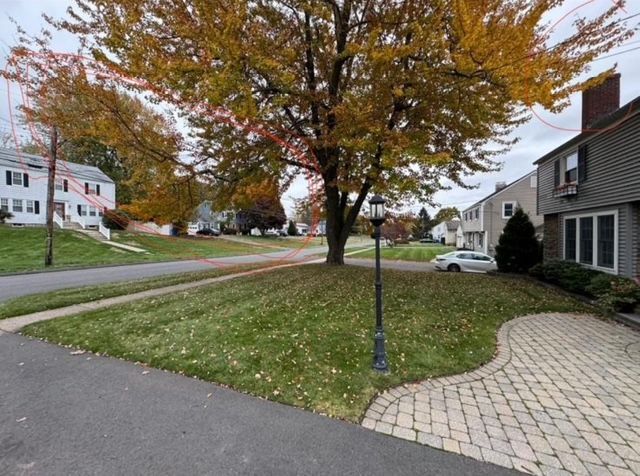
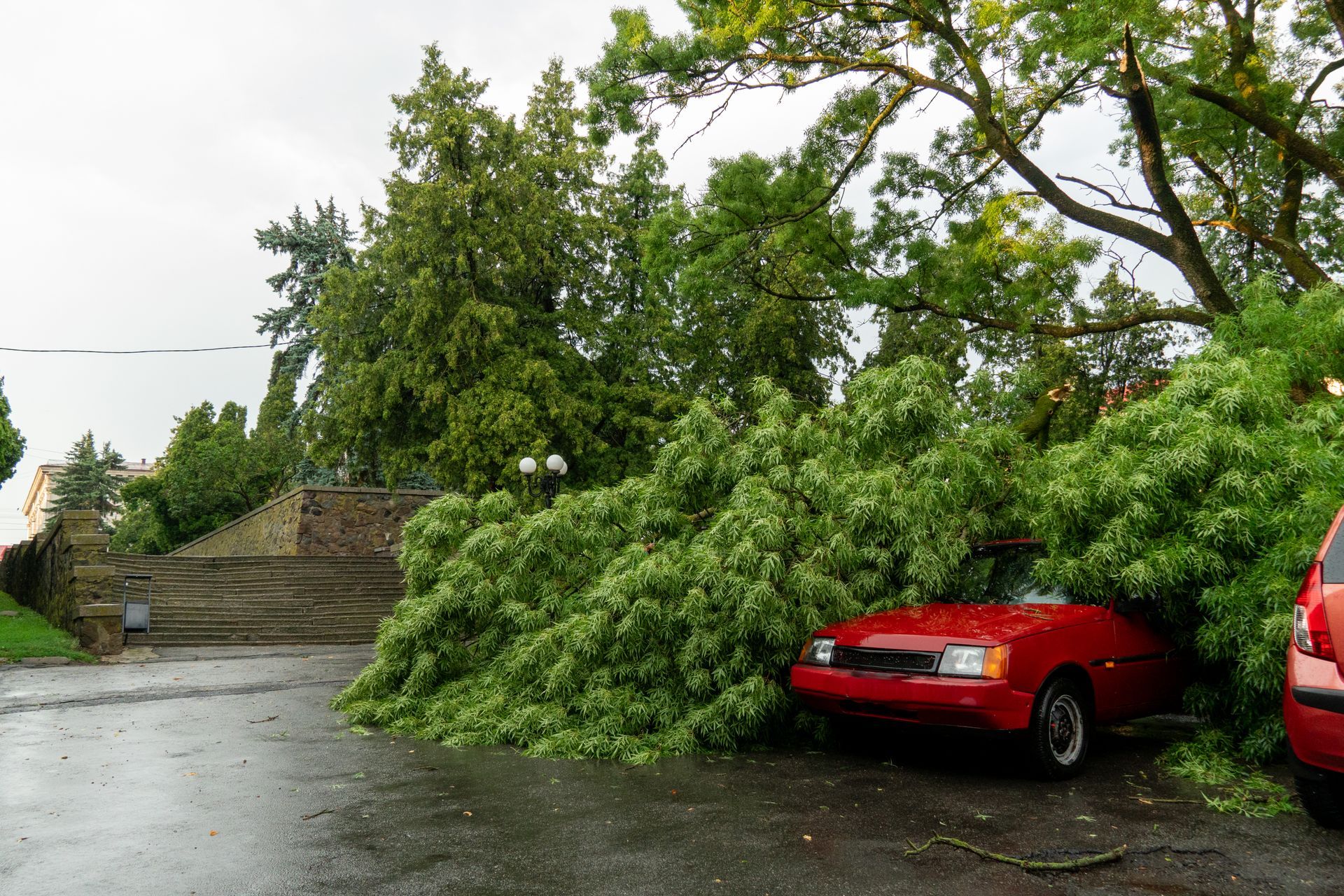
Proximity to Structures: Trees planted too close to structures can pose a risk of damage if they fall. Ensure trees are planted at a safe distance to minimize the risk of damage in case of a fall.
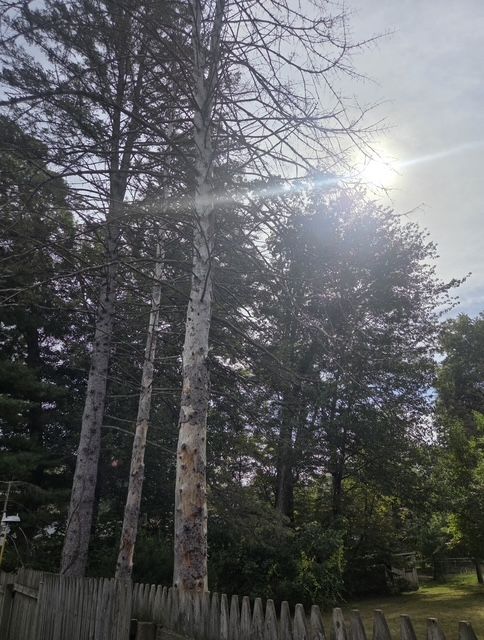
Signs of Pests or Disease: Pest infestations or diseases can weaken a tree, making it more susceptible to falling. Look for signs such as holes in the trunk or branches, sawdust at the base of the tree, or wilting leaves. If any signs are observed, consult a professional arborist for an evaluation.
Sudden Changes in Appearance: Rapid changes in a tree's appearance, such as wilting or discoloration of leaves, may indicate stress or disease. Prompt inspection by a professional arborist is necessary to determine the cause and appropriate action.
Responding to Tree Safety Risks
Consult with an Arborist: If you are unsure about a tree's health or safety, consult a certified arborist for guidance. Arborists can assess tree health and safety and provide advice on the best course of action.
Regular Tree Inspections: Schedule routine inspections to identify potential hazards early for timely intervention. Regular inspections help catch issues before they become serious safety risks.
Prune or Remove as Necessary: Depending on the severity of the risk, pruning or removal of the tree may be necessary. Pruning removes dead or hanging branches and improves overall tree health. In some cases, however, tree removal may be the safest option.
Identifying and addressing tree safety risks is essential for maintaining a safe outdoor environment. Regular inspections and prompt action when risks are identified help ensure the safety of your property and prolong the life of your trees. Collaborating with a professional arborist for assessments and advice contributes to a safer and more enjoyable outdoor space.