Why Your Tree Is Dropping Branches — And When It Becomes Dangerous in Shelton, CT
Why Your Tree Is Dropping Branches — And When It Becomes Dangerous in Shelton, CT
Some trees announce they’re in trouble long before the trunk splits or the whole thing leans. They whisper first — usually by dropping branches. One here, one there. And then suddenly, it’s not so subtle anymore.
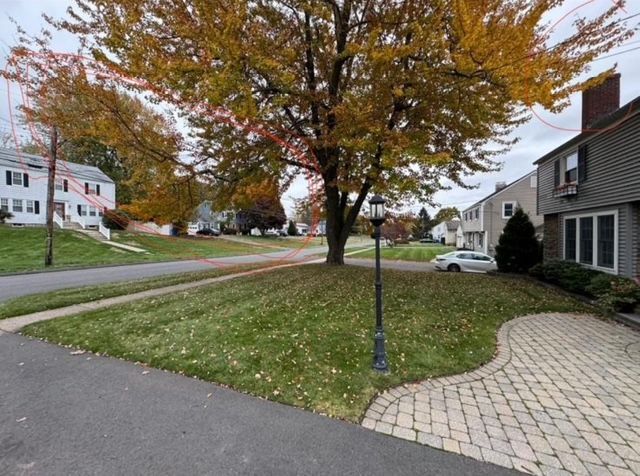
If you’re seeing limbs fall in your yard, don’t ignore it. Trees rarely shed for “no reason,” especially in Shelton’s mix of storm-prone weather, summer heat and older neighborhood trees.
Let’s break down what’s happening, why it matters, and when it’s time to call a pro.
1. Heat, Drought, and Sudden Limb Drop
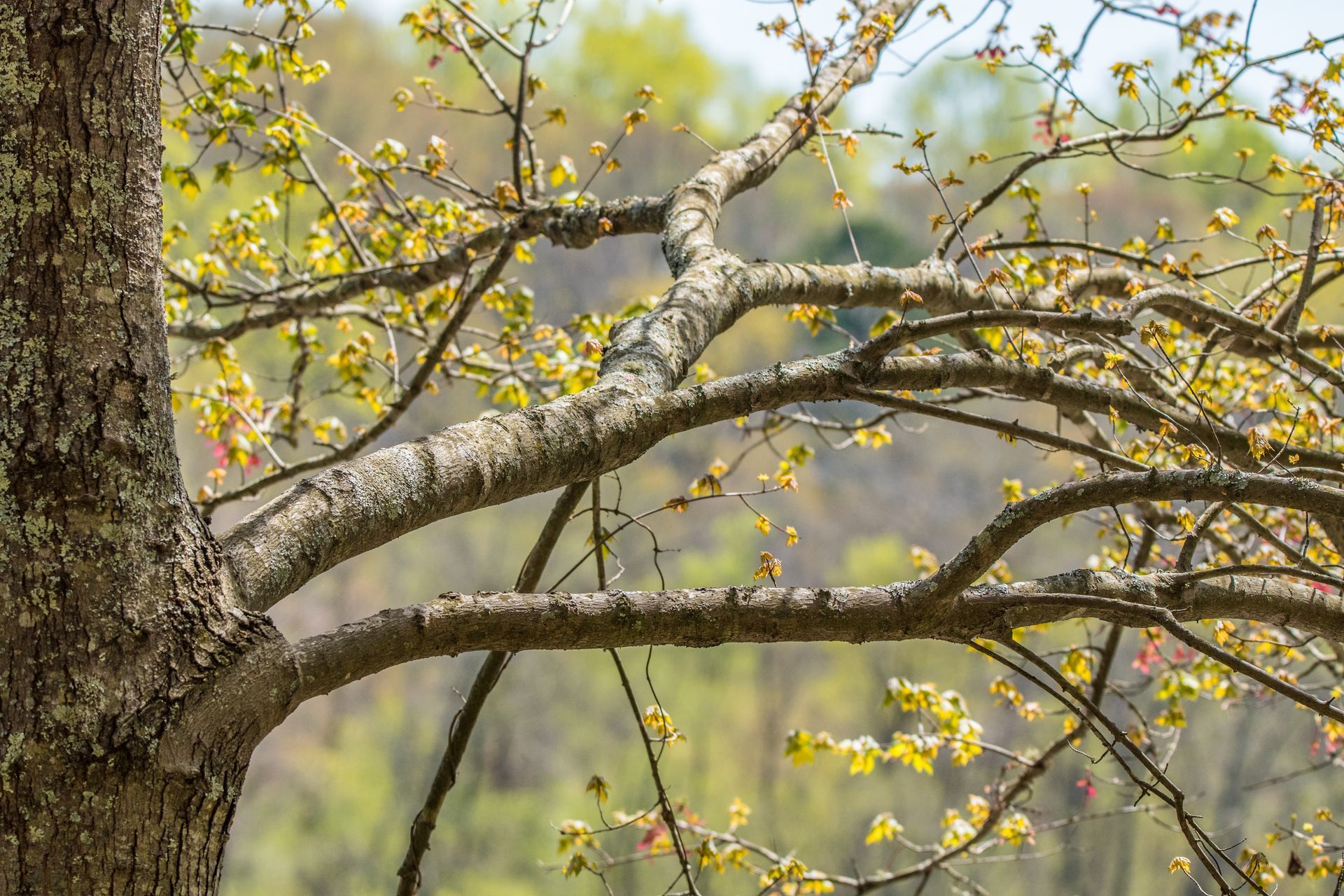
On hot Connecticut days, some tree species “self-prune.” It’s called sudden limb drop, and yes — it’s exactly what it sounds like. A big branch can snap without wind, storms, or warning. Oaks, maples and beech are common offenders.
A few natural drops are normal.
Repeated large limb falls?
That’s usually a stress signal.
2. Internal Decay You Can’t See From the Ground
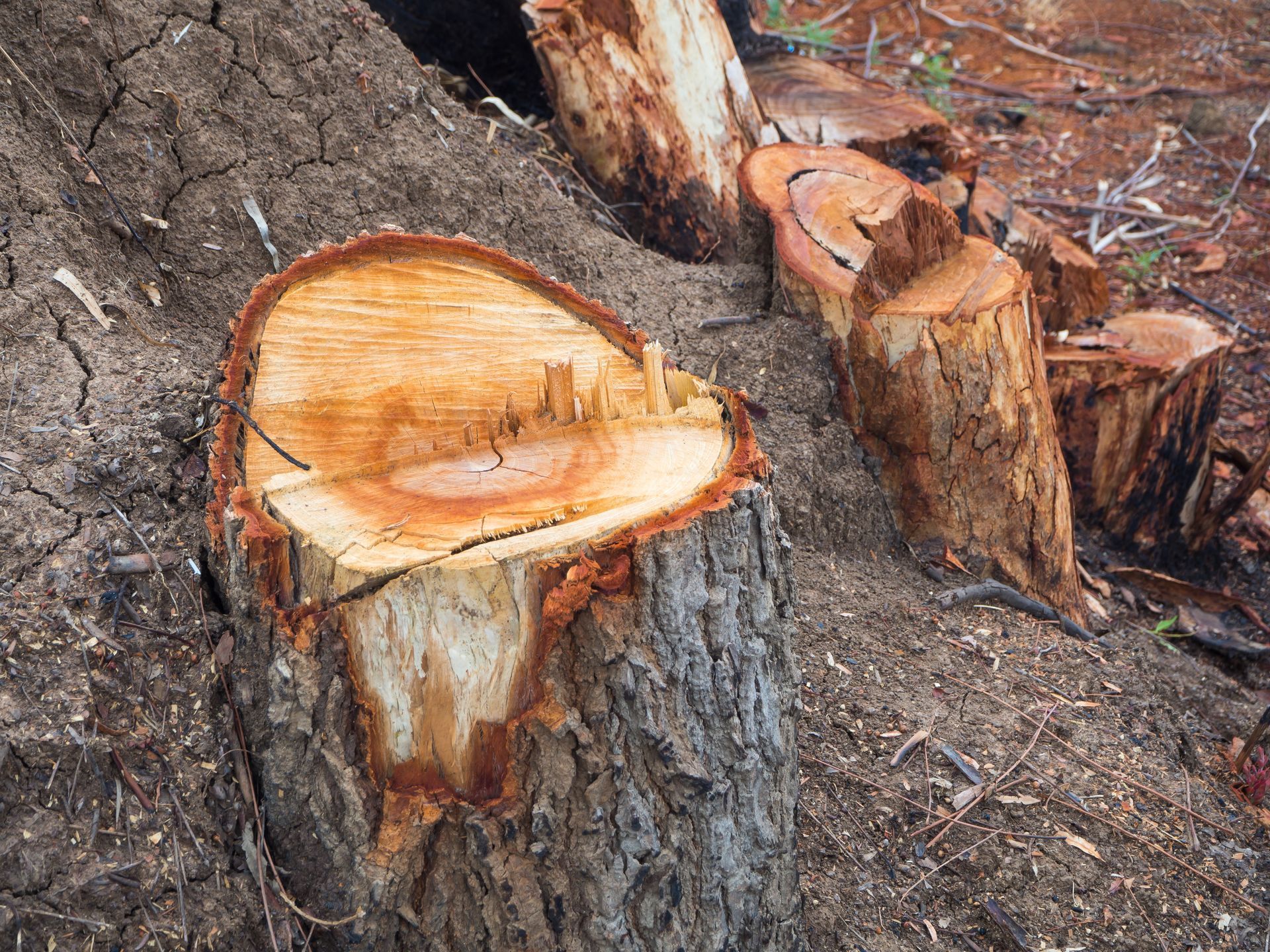
Trees always rot from the inside out. Hollow pockets can form around old wounds, cracks or areas that stayed wet too long.
When the inside starts to weaken, the outside can’t support the branch weight anymore.
Signs your tree may have internal issues:
- Mushrooms or fungus on the trunk
- Soft, spongy wood
- Cracks where limbs meet the trunk
- Branches that look heavy or sagging
If you’re spotting any of this, the risk is rising.
3. Storm Damage That Shows Up Late
Shelton sees its share of rough weather — fast winds, heavy snow, the occasional microburst. Sometimes a storm damages a branch, but it doesn’t break right away.
It snaps a week or two later.
Think of it like bending a paperclip back and forth. It weakens before it breaks.
If a branch fell after a storm but not during it, storm stress may be the reason.
4. Insects and Disease Stealing the Tree’s Strength
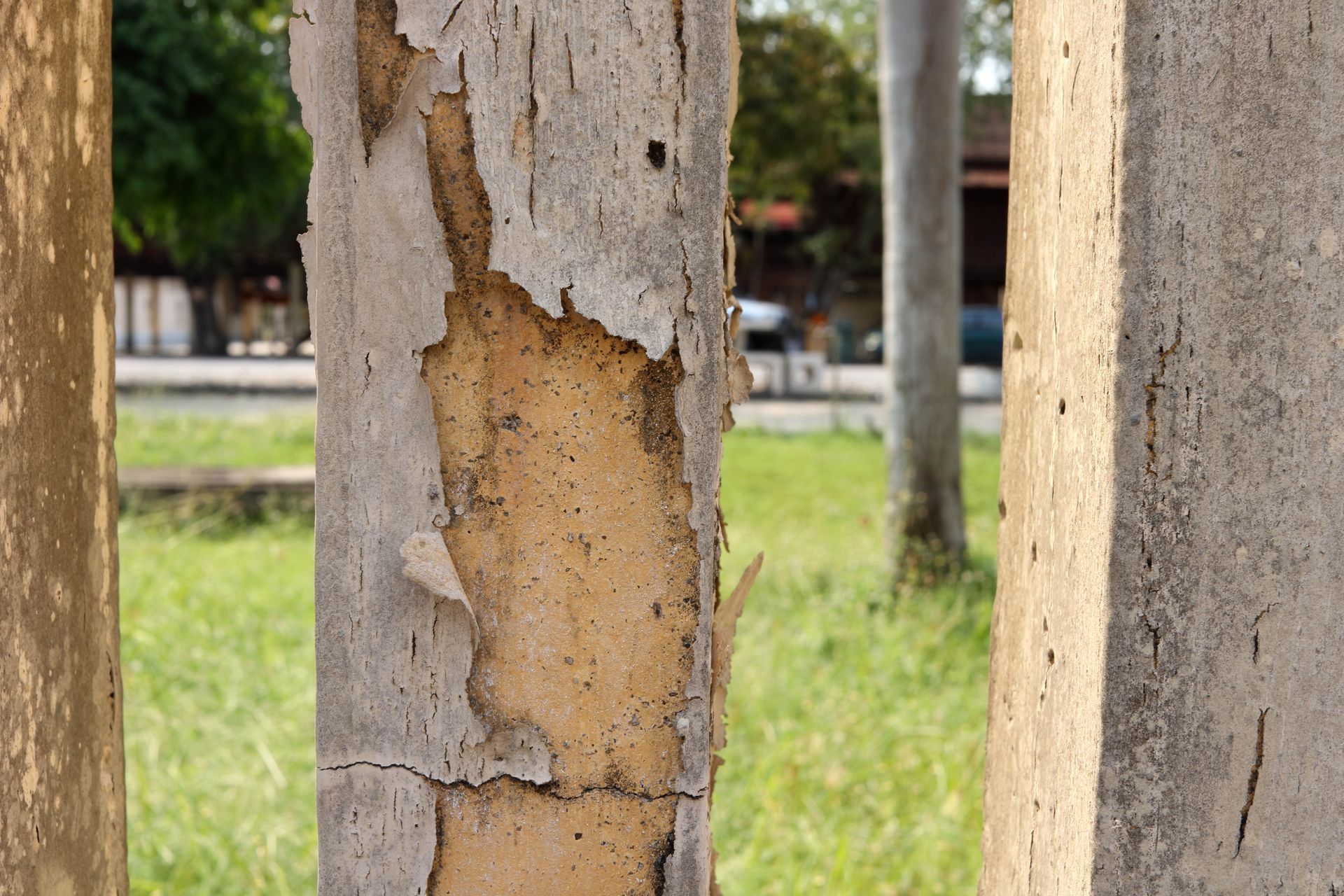
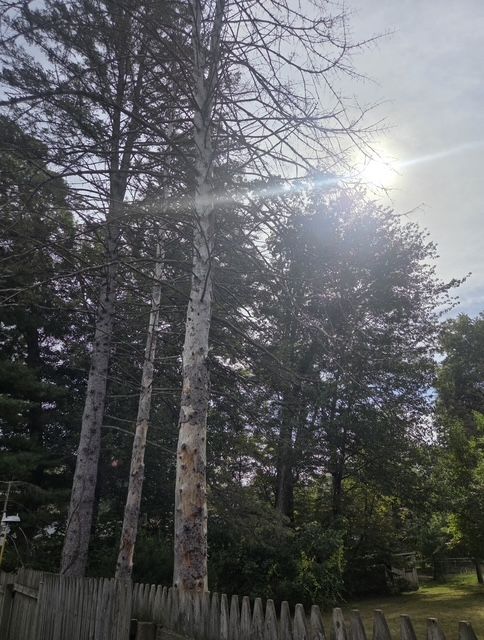
Borers, beetles, and fungal infections can hollow out a branch from the inside. The limb will look line it's fine… until it’s not.
Watch for:
- Sawdust-like dust at the base
- Tiny bore holes
- Peeling bark
- Dead patches in the canopy
When disease spreads, branches become brittle. Brittle branches break.
5. When Falling Branches Go From Annoying to Dangerous
A branch or two over a year?
Probably normal.
Multiple branches within months?
Pay attention.
Here’s when it becomes a safety risk:
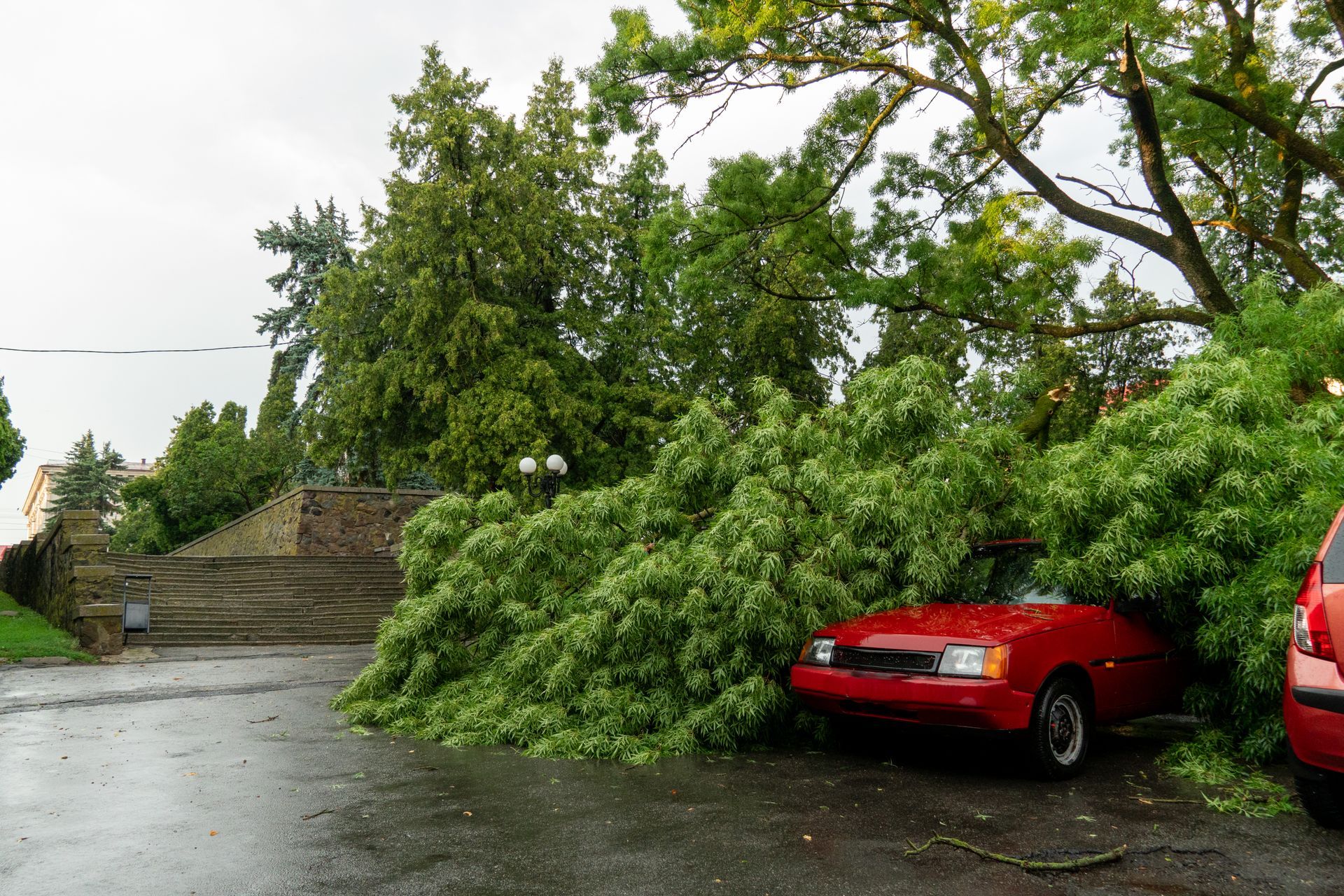
- Branches are falling near your home, driveway, or walkway
- You hear cracking or popping in the canopy
- Large limbs (not twigs) are dropping
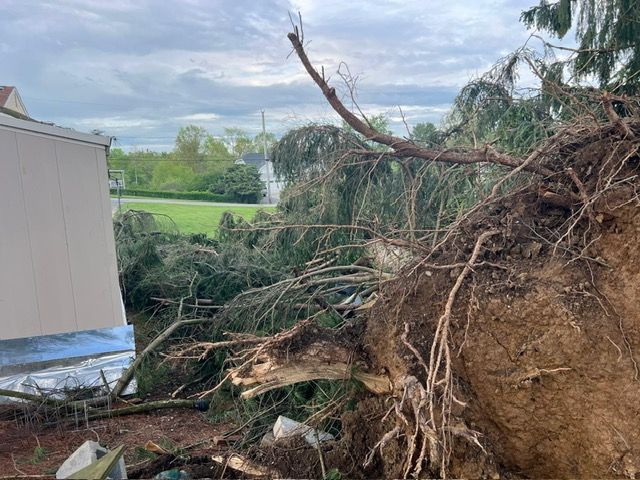
- The tree leans or the soil around the base is lifting
- You see decay, fungus, or dead sections spreading
If the tree is shedding limbs and has any structural issues, removal may be the safest option.
6. So… What Should You Do?
Homeowners often wait too long because “the tree still looks okay.” But limb drop is usually the early warning sign before real failure.
A quick inspection can:
- Identify the cause
- Determine if the tree can be saved
- Tell you whether trimming, cabling, or removal is needed
- Prevent a dangerous situation during the next storm
A lot of damage claims in Shelton start with a limb fall that nobody checked.
Need a Local Pro to Take a Look?
If your tree is dropping branches, it’s worth getting a professional opinion from a certified arborist before things escalate.
Shady Shelton Tree Service inspects, trims, and removes hazardous trees throughout Shelton and nearby towns. We can tell you exactly what’s going on — and what needs to happen next to keep your property safe.