Can Tree Roots Damage Your Foundation in Shelton, CT?
Can Tree Roots Damage Your Foundation in Shelton, CT?
Cracks in your foundation or basement wall don’t always start underground — sometimes they start right at the tree line. And in Shelton, where older homes, stone foundations, and moisture-heavy soil are common, root pressure can sneak up on you fast. Many homeowners don’t notice the issue until a crack spreads, a basement leaks or a walkway starts to tilt. So let’s break down what’s actually going on, what’s a real threat, and when it’s time to take action.
How Tree Roots Grow Near Foundations
Tree roots don’t go deep — not usually. Most roots live in the top 12–18 inches of soil because that’s where oxygen, nutrients, and moisture are. But they will spread wide, sometimes two to three times the width of the canopy.
Roots don’t grow toward your foundation because they “want to break it.”
They grow toward water, especially in Shelton’s clay-heavy soil that tends to trap moisture. When roots find a consistent water source next to a house — like gutter discharge or wet basement walls — they concentrate in that area. And that’s when pressure builds.
Signs Tree Roots May Be Affecting Your Foundation
Watch for these early warning signs:
- Cracks in basement walls (horizontal or stair-step cracks are red flags)
- Uneven walkways or patios near the tree line
- Doors or windows sticking without explanation
- Exposed or raised roots close to the home
- Foundation edges starting to lift or separate
- Water pooling on one side of the house
If you’re seeing two or more of these, it’s worth getting things checked sooner rather than later.
What Types of Trees Cause the Most Damage in Shelton, CT
Some trees are more aggressive root spreaders, especially in older Shelter neighborhoods:
- Silver maple — extremely invasive roots
- Norway maple — common street tree, shallow rooting
- Willow — moisture-seeking roots
- Oak (older specimens) — long-lived roots that spread wide
- Fast-growing ornamentals — tend to lift walkways and patios
These species aren’t “bad,” but planting them too close to a home creates long-term structural issues.
Can Tree Roots Actually Crack Concrete?
Short answer: Yes — but indirectly.
Roots rarely punch through concrete like a movie scene. Instead, they:
- Displace soil
- Create upward pressure
- Increase moisture retention
- Worsen freeze/thaw expansion
Over time, that combination can crack foundations, basement walls, patios and driveways. The damage is slow but steady and often expensive once it starts.
When Tree Removal Is the Safer Option
Removing a tree is a big decision but sometimes it’s the right one. It’s worth considering removal if:
- The tree leans toward your house
- Large roots are already lifting foundation edges
- Roots are pushing walkways or patios upward
- The tree is within 6–10 feet of the home (depending on species)
- You’re seeing repeated basement moisture problems
What NOT to Do (Common Mistakes)
Avoid these — they cause bigger issues:
❌ Cutting major roots yourself (you can destabilize the entire tree)
❌ Ignoring early warning signs (small issues become structural problems)
❌ Waiting until cracks get worse (foundation repairs are expensive)
❌ Trying to DIY a leaning or shifting tree
Small choices create big problems around foundations.
Professional Evaluation in Shelton, CT
If something looks off, a quick inspection can give you clarity. A licensed tree service can tell you:
- Whether roots are causing damage
- Whether the tree can be saved
- Whether removal is safer or more cost-effective
- What preventative steps will actually help
This isn’t a sales pitch — it’s about avoiding a foundation repair bill you weren’t expecting.
Shady Shelton Tree Service regularly inspects trees near homes throughout Shelton, White Hills, Derby and surrounding areas. One walk-around can save you a lot of stress.
FAQ
Can roots grow under a house?
Yes. If there’s moisture beneath a slab or along a basement wall, roots will follow that water source.
Will insurance cover foundation damage from tree roots?
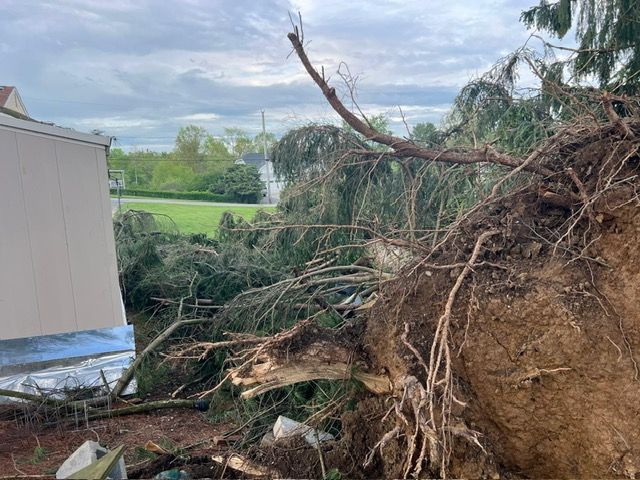
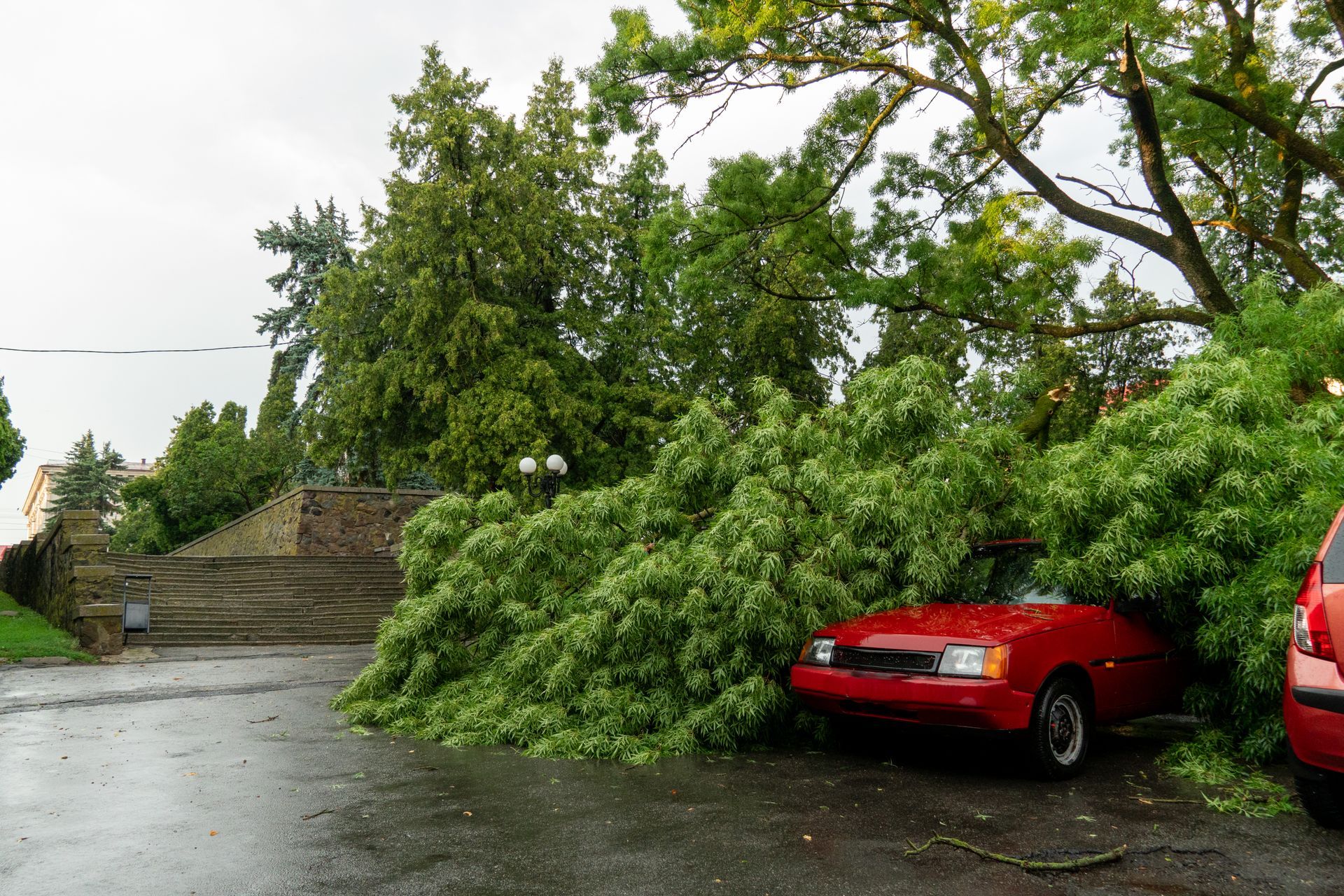
Most policies do not cover gradual damage. They usually only cover sudden incidents, like storm-related tree failure.
How far should trees be planted from a house?
A good rule: plant at least as far from the home as the species’ expected mature height.
Conclusion
Tree roots don’t damage foundations overnight — but in Shelton’s soil conditions, they can put slow, steady pressure on your home. Catching the signs early, understanding your risks and knowing when removal is the smarter move can save serious repair money later.
If you’re concerned about a tree near your home, Shady Shelton Tree Service can assess the situation and walk you through your options with zero pressure.